

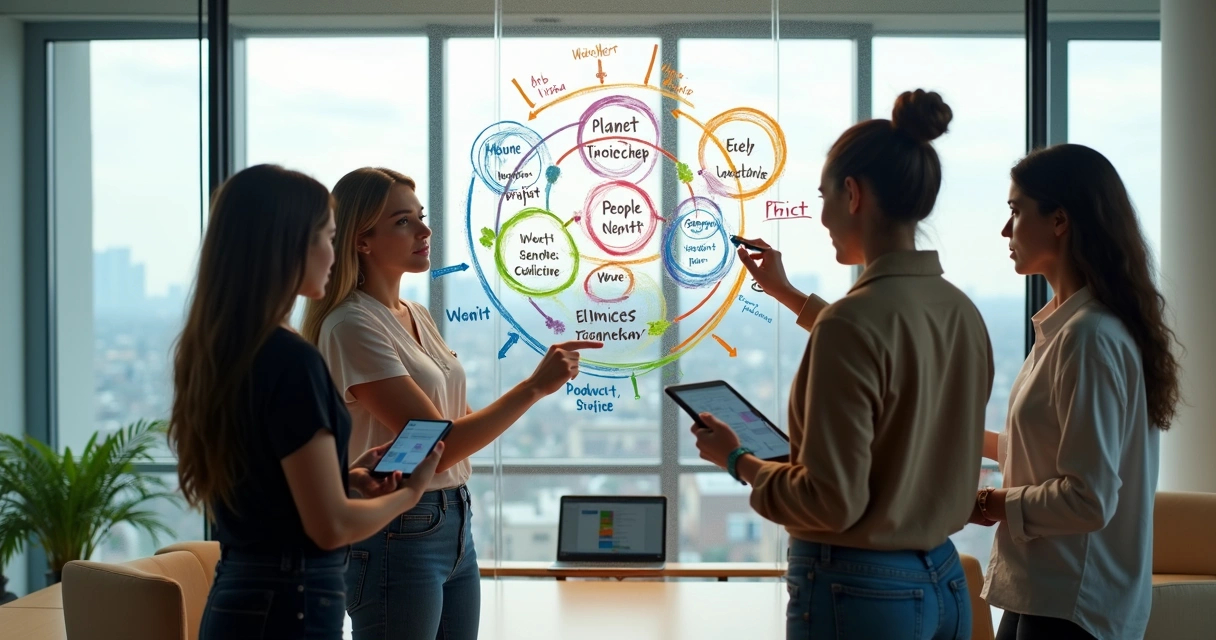
We have reached a point in history where the impact that organizations generate goes far beyond financial statements or quarterly results. In 2026, the question of social value is not just a trend—it is a requirement. Customers, investors, employees, and even local communities are asking a single, powerful question: What positive difference does this organization make in the world?
This new awareness demands serious tools. It demands frameworks that don't merely measure outputs or profit, but that capture the real effects organizations have on people, societies, and the environment. We believe this shift is not only about compliance. It is about embracing the full responsibility we carry as organizations living in relation with the world around us.
Why social impact matters now
We have seen how public expectations shift. People are no longer satisfied with simple growth figures. They want alignment between the values a company claims and the consequences of its behavior.
Value, today, is measured by the ripples we create.
We believe that the true success of an organization in 2026 is found in its ability to respond to these three questions:
- How do our actions improve lives?
- How do we practice responsibility toward communities and the environment?
- How can we show, in clear terms, that our impact is real, not just good intentions?
It is not enough to claim social responsibility. We must prove it—and the frameworks we choose shape the narrative.
Core principles for valuing social impact
Every measurement system starts with principles. From our experience, four key principles guide the best approaches:
- Transparency: Processes and results should be open and accessible to all interested parties.
- Accountability: Outcomes matter, not just promises. We must answer for both positive and negative effects.
- Inclusivity: All voices—especially those most affected—should be heard and considered.
- Continuous learning: Impact must be reviewed and improved on a regular basis. No system is set in stone.
Numbers alone rarely tell the full story.
Essential features of 2026 frameworks
Frameworks have evolved. In our research, we have identified features that mark the difference between superficial checklists and truly effective tools. When considering frameworks to value social impact in 2026, we pay special attention to these characteristics:
- Integration of qualitative and quantitative data: Numbers matter, but so do stories, experiences, and perceptions.
- Stakeholder-centered design: The people affected by organizational decisions are central, not peripheral, to evaluation.
- Flexibility across sectors and cultures: A universal framework should adapt to fit local realities, not impose an external mold.
- Forward-looking and adaptive: Today’s impact is not always tomorrow’s. Frameworks must help organizations anticipate and evolve with changing needs.
From financial and health outcomes to mental well-being and environmental restoration, the modern frameworks must move with the world—not behind it.

How organizations can apply social impact frameworks
We believe that successful use of social impact frameworks depends on more than policy. It is about embedding a process of evaluation and feedback into every part of the organization’s life.
Here’s how we see organizations building a culture where social impact measurement matters every day:
- Set clear values and objectives. We start by aligning leadership, employees, and stakeholders on shared definitions of social impact. What change do we want to see? This means turning vague ideas into clear, actionable intentions.
- Select the right framework (or combination). No single framework works for everyone. Some organizations blend tools, focusing on outcomes in education, health, or sustainability. The mix should match our goals and those of our stakeholders.
- Collect meaningful data. We gather both raw numbers and human stories—surveys, interviews, and observable changes. The voices of program participants often tell us what spreadsheets cannot.
- Analyze, learn, and report back. Impact reports must be truthful, clear, and accessible. We share both what works and what needs correction. Learning is as valuable as results.
- Adjust and act. No cycle is ever finished. We use feedback to change, grow, and deepen social impact for the next round.
The real impact of a framework is seen through the transformation it sparks.
The future of social impact measurement
The world is changing fast. As organizations, we must stay in step with new challenges and new ways to measure impact. In 2026, we expect to see three themes driving the future of social impact frameworks:
- Digital intelligence: Artificial intelligence and big data now play a central role in turning real-world actions into measurable data. These tools help us spot trends and make forecasts that were impossible before.
- Personalization of impact: The days of “one-size-fits-all” frameworks are over. We are seeing systems that adapt to different communities, cultures, and industries, leaving room for real context.
- Participatory evaluation: Impact measurement is moving from “top down” reviews to systems that include the people most affected by our actions as co-evaluators and co-designers.
These trends are shaping new methods to capture not just broad social gains, but the subtle, often invisible, changes that ripple out from organizational decisions.
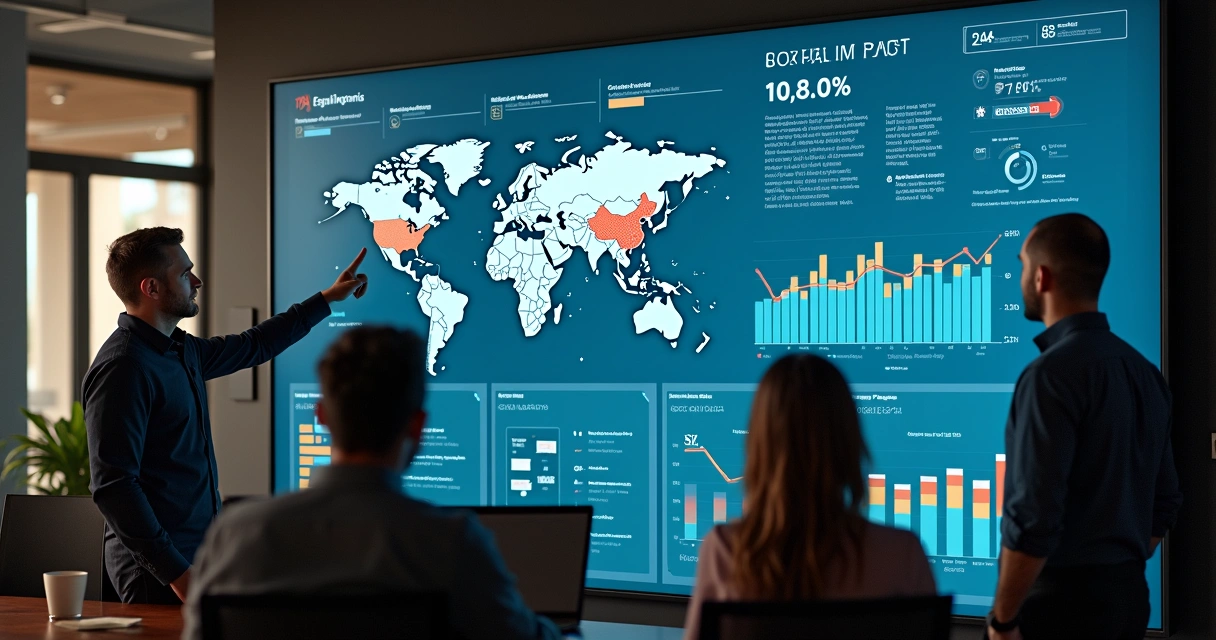
Conclusion
In 2026, valuing social impact calls for transparency, adaptability, and listening to all voices. The frameworks that succeed go beyond paperwork. They challenge us to rethink what we value and how we act. We must recognize that our influence stretches farther than we see, and that the choice of framework is not just technical, but ethical and relational.
By choosing to track not only profit, but also the positive waves we send through our communities, we are reimagining what it means to succeed. The reward is a deeper sense of purpose, and a world made better through conscious action.
Frequently asked questions
What is social impact valuation?
Social impact valuation is the process of assessing the positive and negative changes that organizations create for people, communities, or the environment as a result of their actions. It moves beyond financial performance to include social, environmental, and cultural effects, often using defined frameworks to capture these outcomes in clear and consistent ways.
How to measure social impact in organizations?
The process starts by setting clear social goals and choosing a framework that matches the organization’s values and ambitions. We use a mix of methods such as surveys, interviews, observations, and digital data to collect evidence. Next, we analyze this data, report outcomes transparently, and use feedback to improve strategy and actions over time.
What frameworks are best for 2026?
The strongest frameworks for 2026 focus on integrating both numbers and human experiences, adapting to different sectors and cultures, and involving stakeholders in the process. Frameworks that blend digital intelligence, participatory evaluation, and local relevance are emerging as leaders in social impact measurement.
Is social impact measurement worth it?
Yes, measuring social impact is worth it. It helps organizations prove their value beyond profit, build trust, guide better decisions, and connect with new partners, customers, or communities. It transforms responsibility into action and creates evidence for positive change.
Where to find social impact resources?
Social impact resources can be found through academic research centers, industry reports, community organizations, and digital platforms. Many groups and coalitions share guides, case studies, and tools that help organizations choose the right framework for their needs.