

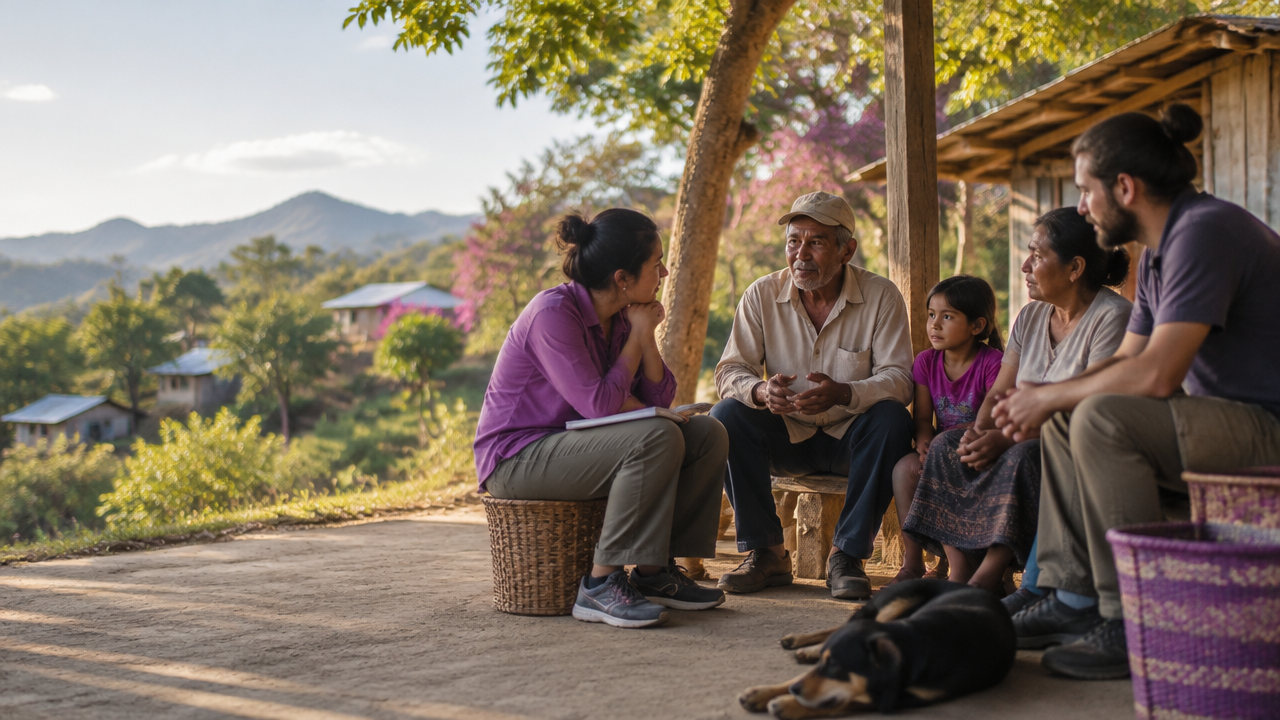
Tracking shared consciousness in remote communities means studying how common meanings, values, and patterns of cooperation change over time, not treating a culture as one mind. For researchers, practitioners, and community leaders, the most reliable approach combines repeated observation with local interpretation and clear community control over the process. The goal is to understand how individual choices and shared life shape each other without turning cultural difference into a score.
Key insights for understanding cultural change
- Shared consciousness is visible in collective practices and interpretations, not directly measurable as a single trait.
- Repeated observations help separate lasting shifts from reactions to specific events.
- Language, relationships, rituals, and decisions can all offer clues, but each needs context.
- Community authority over questions, records, and findings is essential to ethical research.
Why collective consciousness needs careful definition
Collective consciousness is best treated as a working description of shared meanings and social expectations, not as proof that everyone in a community thinks alike. People may share a language, place, or history while disagreeing about responsibilities, identity, faith, or the pace of change.
This distinction matters especially in geographically remote communities. Remoteness does not mean isolation from contemporary life, nor does it describe a uniform experience. Migration, schooling, trade, public services, religious networks, and digital communication may influence different households in different ways.
Researchers should therefore ask a focused question: what shared practice or interpretation appears to be changing, for whom, and under what conditions? That framing turns a vague claim about a “shift in consciousness” into a question that can be explored through evidence and dialogue.
How can researchers track cultural change over time?
Use a repeated, community guided process that combines people’s accounts with observations of everyday practices. A single interview or visit can capture a moment, but it cannot reliably show whether a change is recent, lasting, widely shared, or contested.
- Agree on the question. Ask local partners what change matters and what should remain outside the study.
- Set a baseline. Record the practices, terms, relationships, or decisions participants consider relevant.
- Return at agreed intervals. Repeat conversations and observations using a consistent, flexible guide.
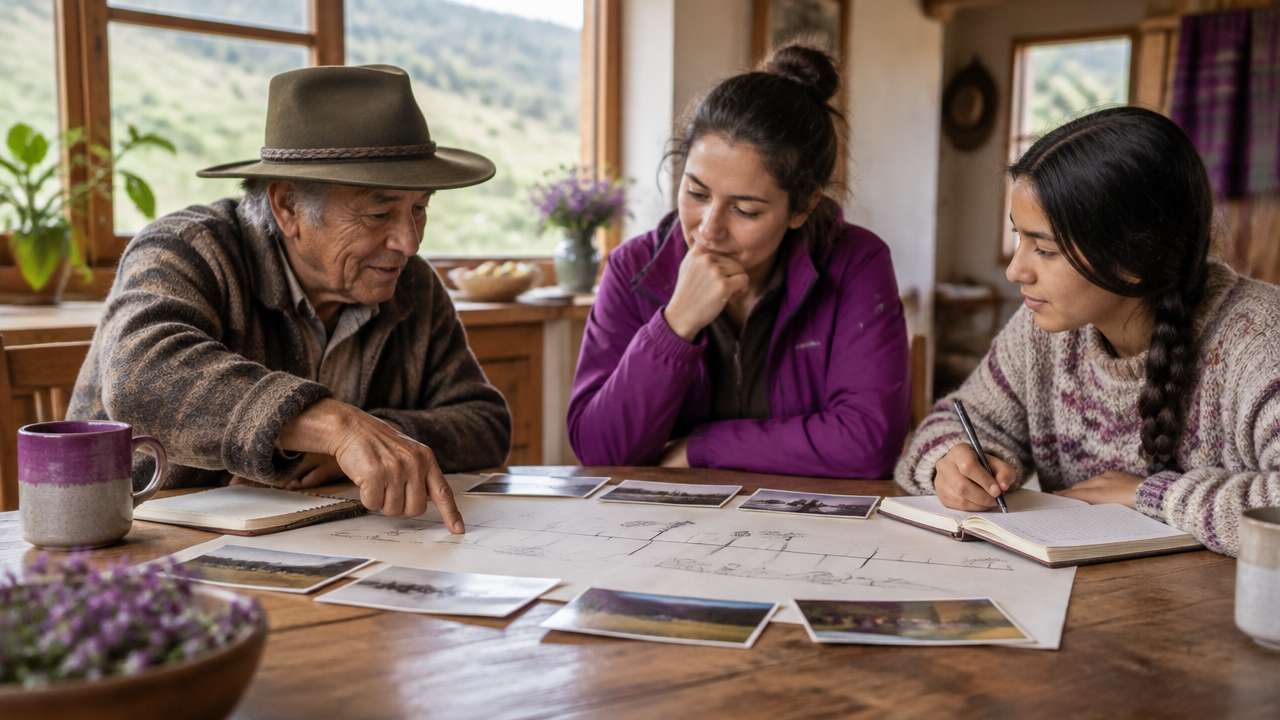
- Interpret together. Review emerging themes with participants and invite corrections or alternative explanations.
- Keep a record of context. Note events such as new services, leadership changes, or migration that may help explain a pattern.
A timeline built and reviewed by community members can help connect personal memories to wider changes without assuming everyone remembers events in the same way.
Which indicators reveal a shift in shared values?
Look for changes across several parts of community life, then ask participants what those changes mean. Indicators are clues, not verdicts. A new word, for example, might reflect schooling or media exposure without signaling that a community has adopted the values associated with it elsewhere.
| Area to observe | Possible signal | Question to ask |
|---|---|---|
| Language | Changes in where, when, or with whom a language is used | What makes this setting different? |
| Intergenerational learning | Changes in who teaches a skill or story | How do learners and teachers explain the change? |
| Collective decisions | Different participation or reasons given for a choice | Who is heard, and who may be absent? |
| Relationships and responsibilities | New patterns of care, exchange, or conflict resolution | What local conditions are shaping these patterns? |
Language deserves attention because it can carry knowledge and identity, but language use should not stand in for the whole of cultural life. UNESCO reports that nearly 40 percent of the world’s languages, most of them Indigenous, are endangered, and frames language continuity as connected to knowledge and identity. That global context makes careful, locally defined observation important, not language loss a simple measure of collective consciousness.
How should digital influence be interpreted?
Digital media can change how people communicate, share information, or maintain relationships, but access alone does not show what a community believes. Ask who has reliable connectivity, which generations and languages are represented online, and whether digital exchanges influence in person decisions.
Keep online activity in context. A public post may not represent private discussion, and a platform’s language or recommendation system can make some voices more visible than others. Researchers should avoid collecting messages or social media material simply because it is technically accessible. Participants should help decide what information is relevant and how it may be used.
Comparing digital and in person accounts can reveal both continuity and difference. If they diverge, that is not necessarily inconsistency; people may communicate differently across audiences, relationships, and settings.
Ethical tracking starts with community authority
Ethical research requires more than obtaining individual consent. Communities should have meaningful influence over the study’s purpose, how information is represented, who can access it, and what benefits follow. These choices matter because records about language, knowledge, land, or social relationships can have consequences beyond the project itself.
The CARE Principles for Indigenous Data Governance center collective benefit and data authority, alongside responsibility and ethics. Researchers can put those principles into practice by agreeing on storage and sharing rules, returning findings in useful forms, and making space for participants to correct interpretations.
A useful measure of success is not how much data an outside team gathers. It is whether the work produces a trustworthy account that the people involved recognize as fair, nuanced, and useful.
Frequently asked questions
What does collective consciousness mean in cultural research?
In cultural research, collective consciousness refers to shared meanings, expectations, and ways of coordinating that become visible in relationships and community life. It does not mean everyone thinks alike. Researchers examine how people describe obligations, make decisions, resolve disagreements, and pass knowledge between generations, while noting differences within the community.
How can researchers track cultural change in remote communities?
Researchers can track cultural change through repeated, community guided observation over time. They might compare interviews, language use, community defined timelines, participation in gatherings, and decision making practices across generations. Returning at agreed intervals helps distinguish lasting changes from short term responses to a new event or outside influence.
Which indicators reveal a shift in shared values?
Useful indicators include changes in commonly used words, teaching practices, shared responsibilities, conflict resolution, and participation in collective decisions. No single signal proves that shared values have shifted. Researchers should compare several kinds of evidence and ask community members how they interpret the pattern and its exceptions.
How can researchers study change ethically without imposing outside assumptions?
Begin by agreeing on the purpose, questions, and data rules with community representatives before collecting information. Participants should decide what can be recorded, shared, or kept private, and how findings will benefit them. Researchers must also report uncertainty and disagreement rather than treating one person’s account as a community consensus.
Is digital media changing collective consciousness in remote communities?
Digital media can influence communication, relationships, and access to ideas, but its effects vary. Researchers should ask who can connect, what languages people use online, and how digital discussions relate to in person life. Phone use or platform activity alone cannot establish a change in shared beliefs or values.