

We send messages all day. A quick reply. A delayed answer. A vague email. A sharp comment written in haste. Most of the time, these actions feel small. They are not.
Digital communication carries our tone, our attention, and our level of awareness. When our habits are unconscious, the cost grows quietly. Trust weakens. Confusion spreads. Stress rises. In some cases, work, relationships, and mental health suffer.
Small habits create large effects.
We often think poor communication comes from bad intent. In our experience, it usually comes from automatic behavior. People reply without reading well. They choose the wrong channel. They leave messages open to interpretation. They use jargon to sound capable, then create distance instead.
Unconscious digital communication habits are repeated online behaviors we perform without reflection, even when they harm clarity, trust, or connection.
How unconscious habits take shape
Digital spaces train speed. We get used to reacting before thinking. A notification appears, and we feel pressure to answer. A difficult email arrives, and we write while irritated. A team chat fills with short phrases, and nobody checks if the meaning is clear.
One common scene is easy to picture. We read a message between meetings, assume its meaning, and fire back a short answer. Hours later, the other person sounds cold. They were not offended by our idea. They were reacting to our tone. We never meant harm, but the effect was real.
These habits often come from a mix of factors:
Constant interruption from devices and apps
Emotional overload carried into written exchanges
Fear of looking slow, uncertain, or uninformed
Overuse of shortcuts, jargon, and vague expressions
When these patterns repeat, they stop feeling like choices. They become our default mode.
The hidden price in workplaces and relationships
The cost of unclear digital communication is not abstract. It affects money, morale, and mental balance. Reporting on workplace miscommunication shows that U.S. businesses lose at least $128 billion each year because of it. The same reporting notes that 91% of workers say their messages have been misunderstood, and about 1 in 5 faced reprimand, demotion, or termination linked to miscommunication.
That is already severe. Yet the emotional side may feel even closer to daily life. Roughly 62% said worry about miscommunication affects their mental health. This makes sense to us. When people keep wondering, “Did I sound rude?” or “What did they mean by that?” tension does not stay on the screen. It moves into the body.
Miscommunication drains emotional energy long before it becomes a formal problem.
Outside work, the pattern is similar. Delayed replies can trigger anxiety. Dry one-line messages can create distance. Public comments made without care can leave a mark that is hard to repair. A habit that looks minor on Monday can become a broken bond by Friday.

When language becomes a barrier
Many people think unclear communication only means typos or missing details. We see another pattern often. People hide behind complex language. They use terms that sound polished but leave others confused.
A University of Florida study on jargon-heavy messages found that this kind of language lowers confidence, increases uncertainty, and reduces willingness to work together. It also found a difference in behavior across age groups. Older employees were more likely to ask for clarification, while younger employees were more likely to stay silent.
That silence matters. It means confusion can remain hidden while mistakes grow underneath. We may think our message sounded smart, but if people leave the exchange less clear, the communication failed.
Some habits that create this barrier are easy to miss:
Using internal terms without checking if everyone knows them
Writing long paragraphs with no direct request
Choosing vague words when precision is needed
Replacing honest clarity with formal but empty language
Clear language is not a lower form of communication. It is a sign of respect.
The stress of too many channels
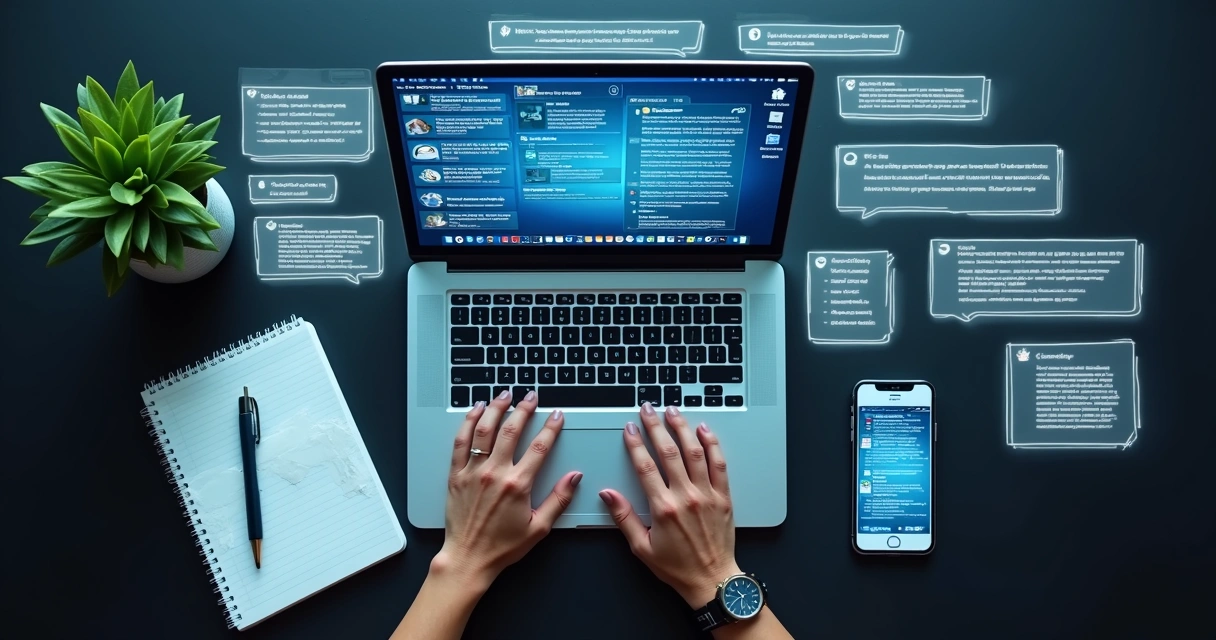
Another unconscious habit is not about what we say, but where and how often we say it. Some people send an email, then a chat message, then a follow-up text, all for the same issue. Others put urgent topics in slow channels or sensitive topics in public threads.
This creates what many people feel every day but struggle to name. Noise. Fragmentation. Attention pulled in too many directions at once.
Doctoral research on hyper-communication found that the mismatch between people’s preferred channels and the channels actually used predicts distraction and work loss more strongly than message volume itself. The research also links hyper-communication with technostress and lower output.
We find this point very telling. The issue is not only that there are many messages. The issue is that communication happens without awareness of context, timing, and human limits.
In practical terms, unhealthy channel habits often look like this:
A person receives the same request in three different places.
They feel pressure to monitor all channels at once.
Their focus breaks again and again.
The quality of their reading and replies drops.
Then errors rise. Patience falls. Resentment builds quietly.
How we can become more conscious online
Change starts with interruption. Not the interruption from devices, but the interruption of habit. We pause before sending. We ask what tone we are carrying. We check if our message fits the moment.
We do not need perfect communication. We need more conscious communication. That usually means slower by a few seconds, but far better in result.
Helpful shifts include:
Reading a message once for content and once for tone before replying
Choosing one channel on purpose instead of repeating the same message everywhere
Replacing jargon with direct and simple wording
Waiting when emotion is high and clarity is low
We also think it helps to ask simple questions: Is this clear? Is this kind? Is this the right place for this message? Those questions can prevent many digital wounds.
Conclusion
The cost of unconscious habits in digital communication is larger than most people think. It appears in lost money, broken trust, stress, silence, and avoidable conflict. It affects teams, families, friendships, and daily peace of mind.
When we communicate without awareness, we do more than send information. We spread confusion or calm, pressure or clarity, distance or connection. Every message carries a state of mind.
Awareness changes the tone before the tone changes the relationship.
If we want healthier digital spaces, we have to look at our habits honestly. The good news is simple. A more conscious pause, a clearer sentence, and a better channel choice can shift the whole exchange.
Frequently asked questions
What are unconscious digital communication habits?
They are repeated online behaviors we do automatically, without noticing their effect. This includes replying too fast, using vague language, sending messages while upset, ignoring context, or choosing the wrong digital channel.
How do habits impact online interactions?
Habits shape tone, clarity, and trust. Good habits help people feel respected and informed. Poor habits create confusion, tension, silence, and mistakes that can harm both work and personal relationships.
How can I change bad digital habits?
We can start by slowing down before sending messages, reading for tone, using simpler words, and matching the message to the right channel. It also helps to avoid writing in moments of anger or mental overload.
Is it worth fixing communication mistakes?
Yes, repairing communication mistakes is worth it because quick repair protects trust and prevents deeper conflict. A short clarification or apology can stop a small issue from turning into a lasting problem.
What are signs of unhealthy online habits?
Common signs include frequent misunderstandings, stress after sending messages, pressure to monitor many channels, delayed replies caused by avoidance, and the use of language that sounds polished but leaves people confused.